

How Motorcycle Boots Should Fit: Complete Sizing Guide
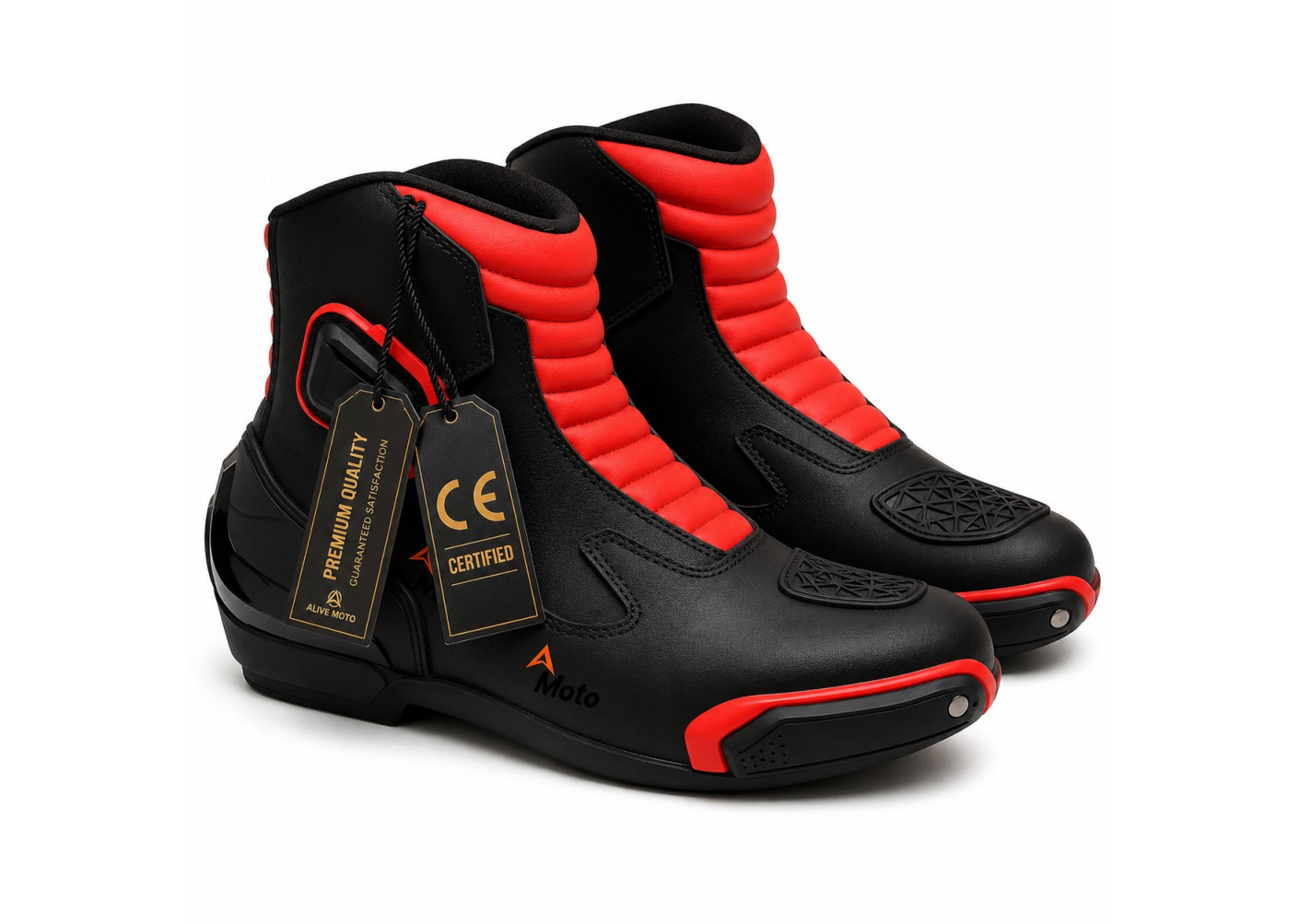
Why Proper Fit Matters
Motorcycle boots are designed to protect riders during impacts, abrasion, and adverse weather conditions.
A poor fit can lead to:
- Foot fatigue
- Reduced control of the motorcycle
- Pressure points and discomfort
- Blisters during long rides
- Reduced effectiveness of protective features
A properly fitted boot keeps the foot secure without restricting natural movement.
How Tight Should Motorcycle Boots Be?
Motorcycle boots should feel:
- Snug around the foot
- Secure around the heel
- Comfortable around the ankle
- Firm without painful pressure points
Your foot should not slide forward when braking or shifting gears.
Toe Space
Your toes should have enough room to move slightly.
Avoid boots where:
- Toes touch the front constantly
- Toes feel compressed
- Foot movement becomes restricted
A small amount of space helps maintain comfort during long rides.
Heel Fit
The heel should remain secure inside the boot.
A properly fitted heel:
- Prevents foot movement
- Improves riding control
- Reduces friction and blisters
Minor movement may occur when the boots are new but should remain minimal.
Ankle Support
Motorcycle boots should provide solid ankle support while still allowing riders to:
- Shift gears comfortably
- Operate rear brake controls
- Walk naturally when off the motorcycle
Support and flexibility should remain balanced.
Trying Boots with Riding Socks
Always try motorcycle boots while wearing the same socks you use for riding.
This helps achieve:
- More accurate sizing
- Better comfort assessment
- Real-world fit evaluation
Common Sizing Mistakes
Buying Too Large
Many riders choose oversized boots believing they will be more comfortable.
Oversized boots can:
- Reduce control
- Cause foot movement
- Increase fatigue
Ignoring Width
Length is not the only factor.
Riders with wider feet should choose boots that provide sufficient width and comfort without pressure points.
Not Considering Break-In
Many motorcycle boots become slightly more comfortable after use.
However, boots should feel comfortable from the start and should not require painful break-in periods.
Signs Your Boots Fit Correctly
A properly fitted motorcycle boot should:
✓ Hold the heel securely
✓ Allow slight toe movement
✓ Provide firm ankle support
✓ Feel comfortable while walking
✓ Allow smooth gear shifting and braking
✓ Remain comfortable during longer rides
Conclusion
Proper motorcycle boot fit is just as important as protection and certification. Riders should focus on comfort, support, heel security, and overall control when selecting footwear. A well-fitted boot improves safety, riding confidence, and long-distance comfort, making every journey more enjoyable.
Frequently Asked Questions
What does CE EN 13634:2017 mean?
It is the European safety standard for motorcycle footwear that evaluates protection, durability, and performance.
Are CE-certified motorcycle boots required?
Not legally everywhere, but they are strongly recommended for rider safety.
What is the difference between Level 1 and Level 2 motorcycle boots?
Level 2 generally indicates higher performance in safety testing.
Related Articles
- Are Waterproof Motorcycle Boots Worth It? | Complete Rider's Guide | Alive Moto
- How Motorcycle Boots Should Fit: Complete Sizing Guide | Alive Moto
- How to Choose the Right Motorcycle Touring Boots | Alive Moto
- Touring Boots vs Racing Boots: Which Is Right for You? | Alive Moto
- What Does CE EN 13634:2017 Mean for Motorcycle Boots? | Alive Moto
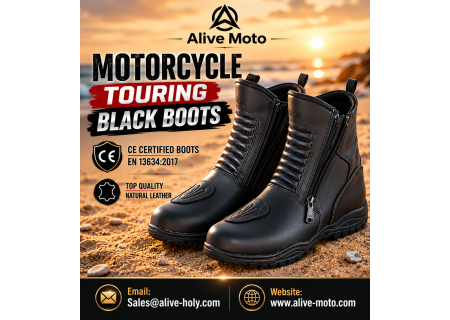
What Does CE EN 13634:2017 Mean for Motorcycle Boots?
When shopping for motorcycle boots, you may notice the CE EN 13634:2017 certification label. This European safety standard helps riders identify footwear that has been independently tested for protection, durability, and performance. Understanding this certification can help you choose safer riding boots for everyday commuting, touring, and adventure riding.
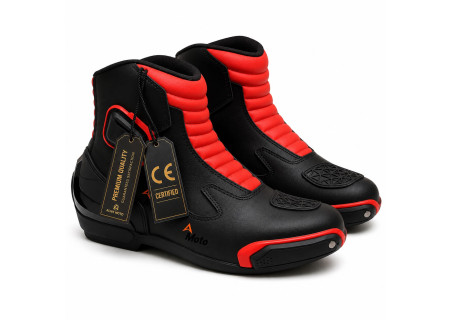
How Motorcycle Boots Should Fit: Complete Sizing Guide
A motorcycle boot can have the best protection and certification in the world, but if it does not fit properly, it cannot perform as intended. The right fit improves comfort, safety, control, and confidence while riding.
Whether you ride daily, tour long distances, or enjoy weekend adventures, understanding how motorcycle boots should fit is essential before making a purchase.
How Motorcycle Boots Should Fit: Complete Sizing Guide
A motorcycle boot can have the best protection and certification in the world, but if it does not fit properly, it cannot perform as intended. The right fit improves comfort, safety, control, and confidence while riding.
Whether you ride daily, tour long distances, or enjoy weekend adventures, understanding how motorcycle boots should fit is essential before making a purchase.
How Motorcycle Boots Should Fit: Complete Sizing Guide
A motorcycle boot can have the best protection and certification in the world, but if it does not fit properly, it cannot perform as intended. The right fit improves comfort, safety, control, and confidence while riding.
Whether you ride daily, tour long distances, or enjoy weekend adventures, understanding how motorcycle boots should fit is essential before making a purchase.
How Motorcycle Boots Should Fit: Complete Sizing Guide
A motorcycle boot can have the best protection and certification in the world, but if it does not fit properly, it cannot perform as intended. The right fit improves comfort, safety, control, and confidence while riding.
Whether you ride daily, tour long distances, or enjoy weekend adventures, understanding how motorcycle boots should fit is essential before making a purchase.